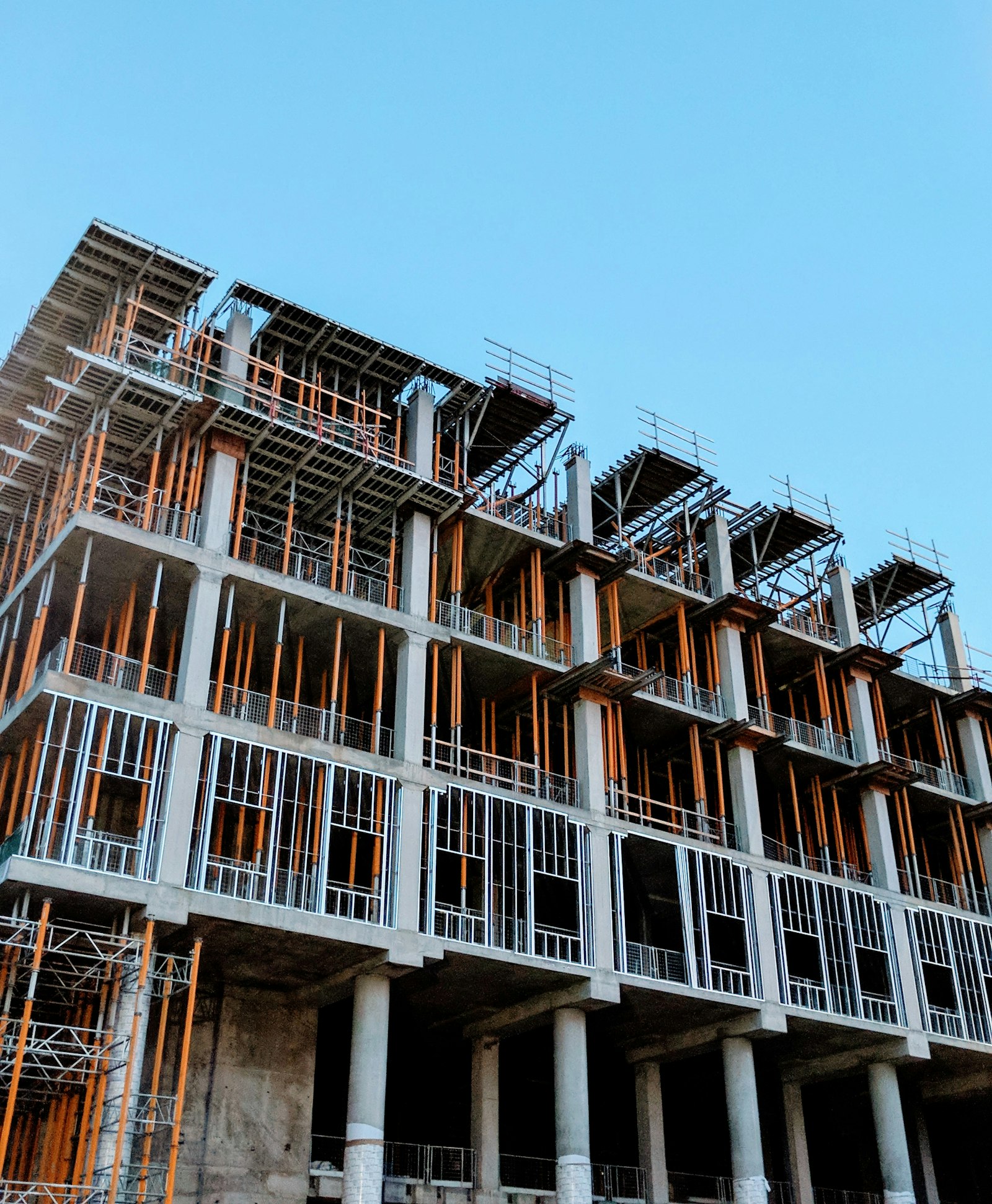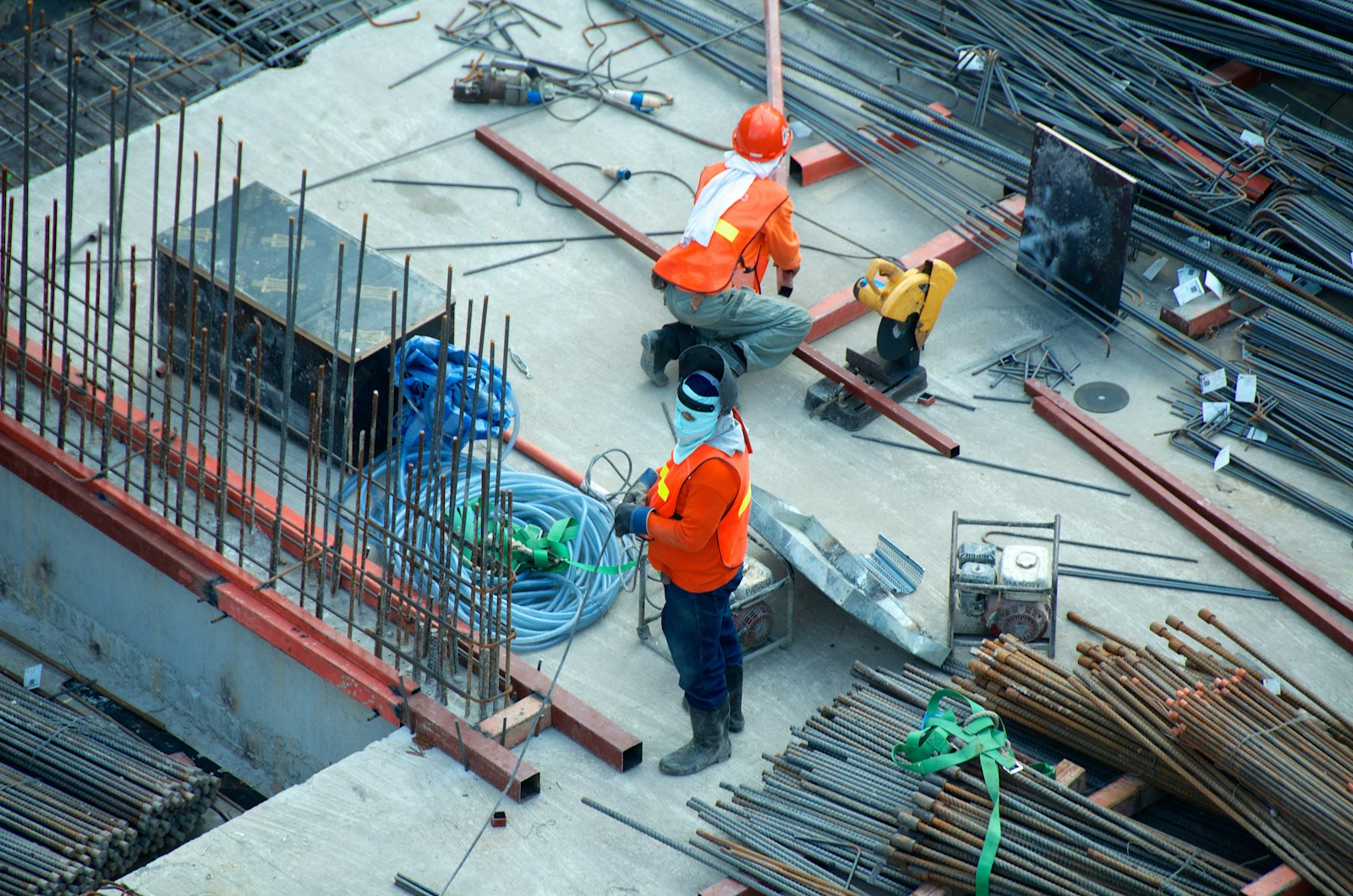

Few projects go off track because of one big disaster. They drift: a late steel delivery, an unplanned design change, a week lost to rain, a festival, a payment held up. Each delay is small; together they add months. Here is how to stop the drift before it starts.
Start with a schedule you can follow
Break the work into stages with clear start and finish points, and give each a realistic duration. For a typical ground-plus-one independent house, an indicative sequence looks like this:
| Stage | Indicative duration |
|---|---|
| Excavation, footings and plinth | 4–6 weeks |
| Ground floor columns, beams and slab | 4–6 weeks |
| First floor frame and roof slab | 4–6 weeks |
| Masonry, lintels and sunshades | 5–7 weeks |
| Electrical and plumbing rough-in, plastering | 6–8 weeks |
| Waterproofing, flooring and tiling | 4–6 weeks |
| Doors, windows, painting and fittings | 5–7 weeks |
Your numbers will differ with soil, design and specification, and some stages overlap. The point is a baseline: when something slips, you know by how much and what it affects.
Build the calendar into the plan
In Telangana, the calendar matters as much as the drawings. Finish excavation and foundations before the south-west monsoon sets in around June. Expect slower weeks around Sankranti in January and Bathukamma and Dasara in September–October, when many workers go home. In April and May, schedule pours for early morning and allow for longer curing.
Budget from the BOQ, then track against it
A Bill of Quantities turns drawings into measurable items: cubic metres of excavation and concrete, kilograms of steel, square metres of plaster. Once priced, it becomes your budget, and every payment can be checked against it.
- Keep a running sheet: BOQ amount, work done to date, amount paid, balance.
- Hold a contingency of 10–15% and do not spend it on upgrades. It exists for rock, price rises and genuine surprises.
- Steel and cement prices move. On larger projects, agree in the contract how significant price changes will be handled.
Order materials before they are needed
Many delays are simply materials arriving late. Agree a procurement plan: steel and cement for each slab ordered a week ahead, doors and windows ordered while masonry is still rising, and tiles, sanitaryware and fittings chosen well before plastering ends. Undecided choices are the most common cause of idle labour during finishing.

Set quality hold points
Speed means nothing if work has to be broken and redone. Agree on hold points, moments where work stops until an engineer has checked and signed off:
- Footing and column reinforcement: bar sizes, spacing, laps and cover blocks.
- Slab shuttering and steel before every pour: levels, props and electrical conduits in place.
- Concrete on the day: a slump test, and test cubes cast for 7- and 28-day strength.
- Curing: at least 7 days for OPC concrete and 10 days for PPC or other blended cements, longer in hot weather.
- Plumbing pressure tests and waterproofing ponding tests before tiles cover them.
Formwork removal follows the clock too. Under IS 456, slab props normally stay 7 days for spans up to 4.5 m and 14 days beyond that, and beam props 14 to 21 days depending on span.
The fastest site is not the one that never stops. It is the one that never has to break and redo work.
Control changes in writing
Moving a wall on paper costs nothing. Moving it after the slab is cast costs money, material and time. Every change, however small, should be written down with its cost and time impact and approved before work proceeds. A one-page change note, shared on WhatsApp and acknowledged by both sides, saves many arguments at final billing.
Hold a short weekly review
Fifteen minutes a week, on site or on a call, is enough for most projects:
- What was completed this week, with photos?
- What is planned next week, and is the material on site?
- Which decisions are needed from the owner, and by when?
- Where do we stand against the schedule and the BOQ?
Keep a simple site diary of workers present, work done, weather and deliveries. When questions come up months later, the diary has the answers.
Pay against progress
Link payments to completed and inspected stages, not to dates. It keeps cash flowing when work is done, protects you when it is not, and lines up neatly with stage-wise home-loan disbursements.