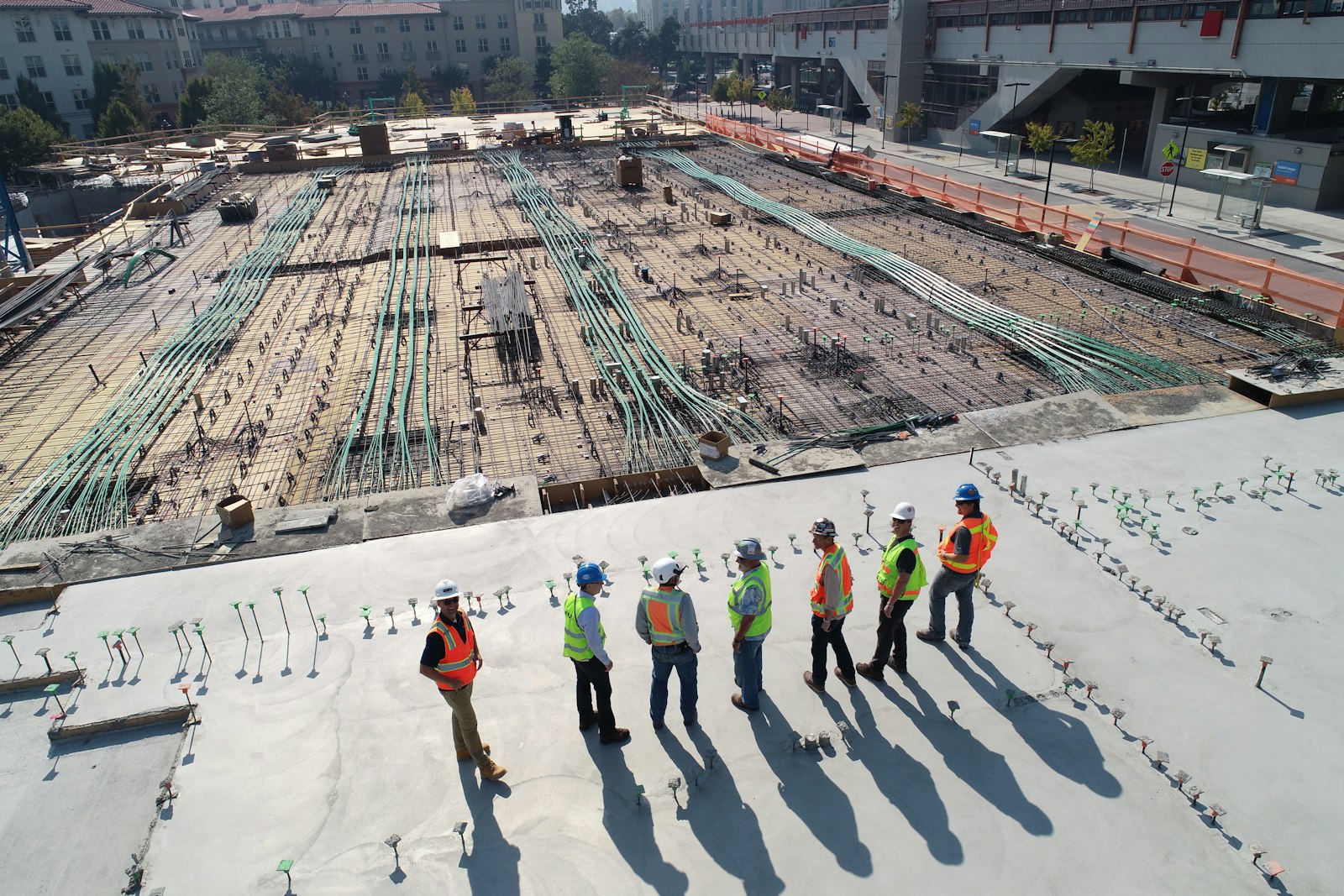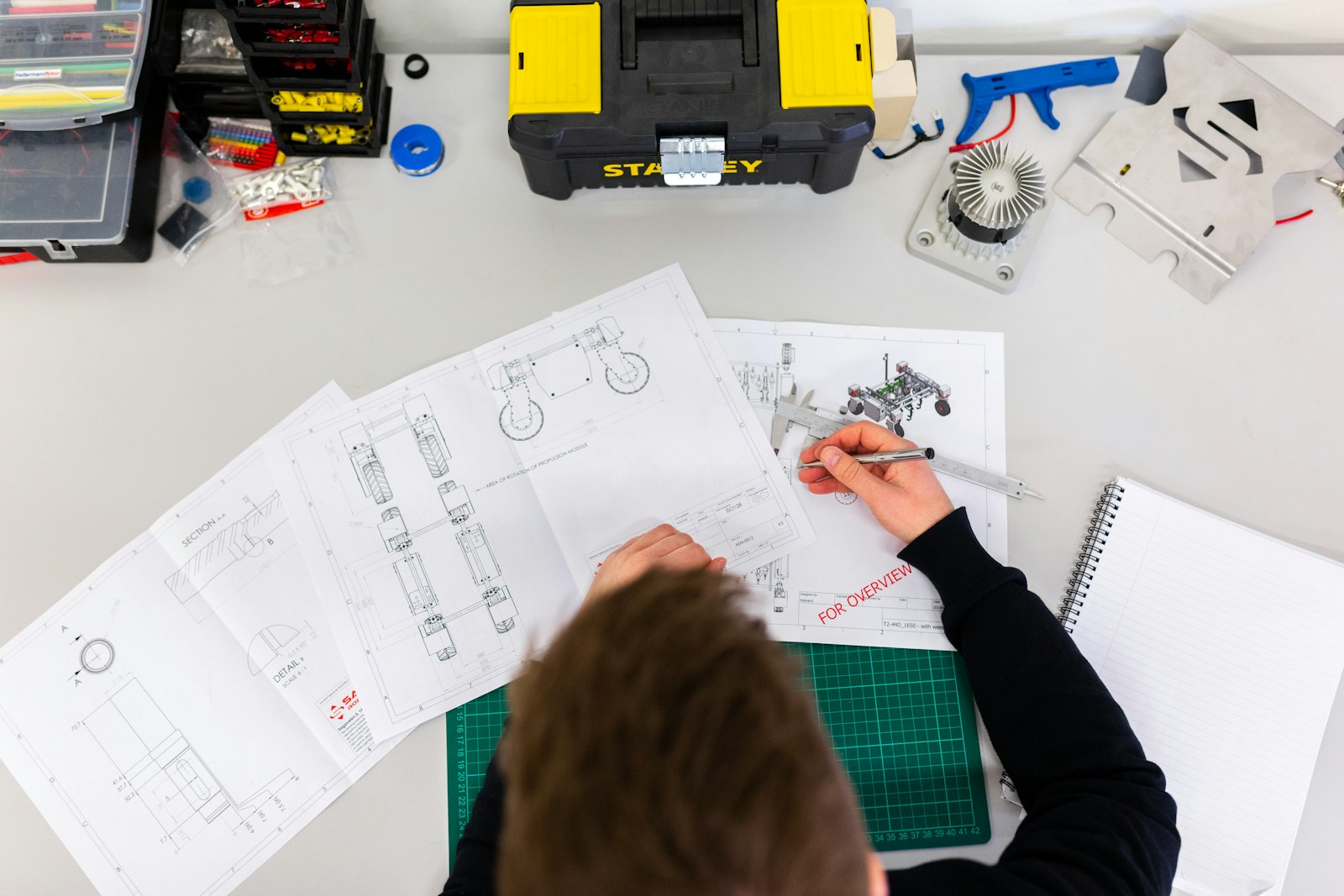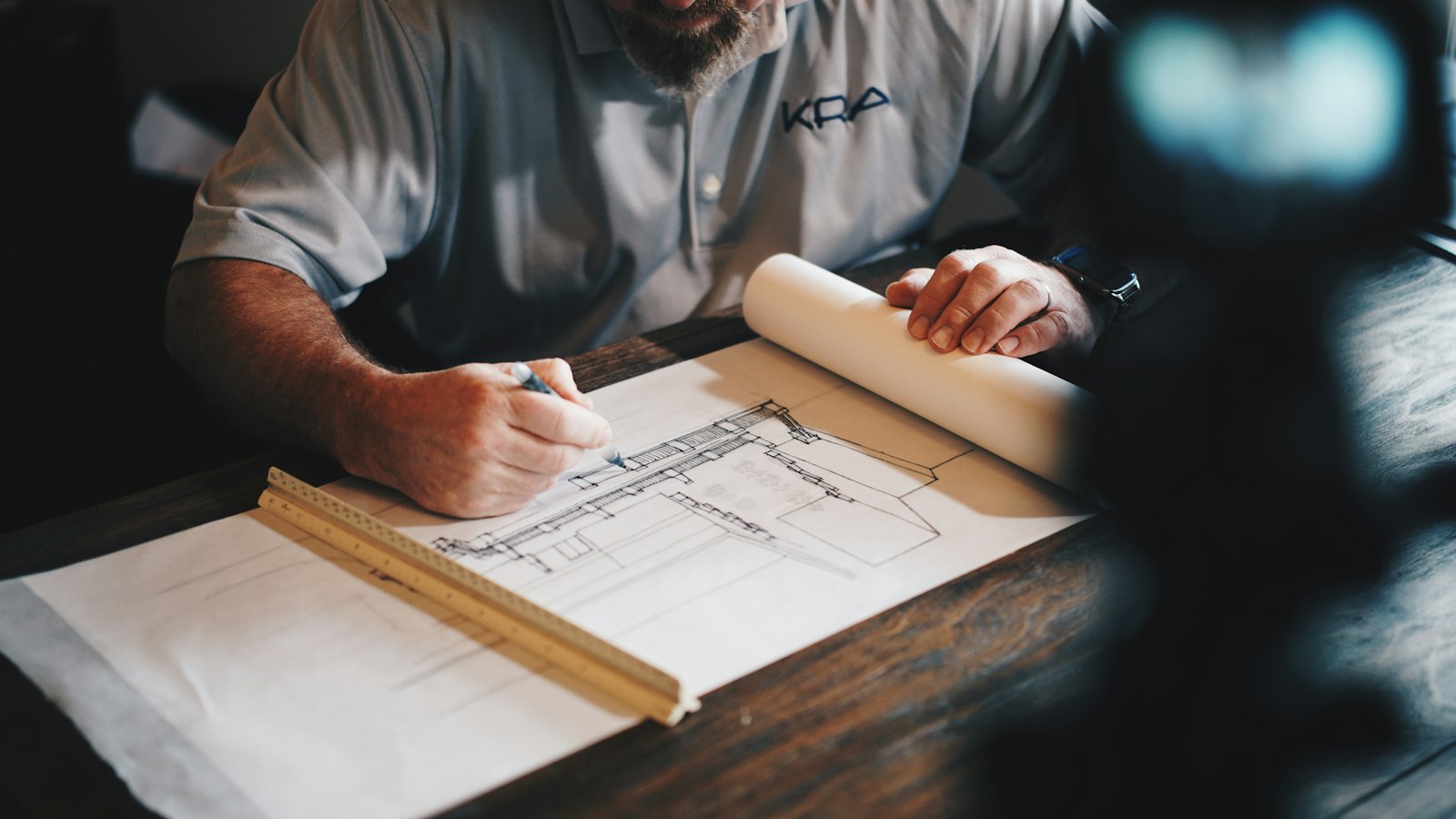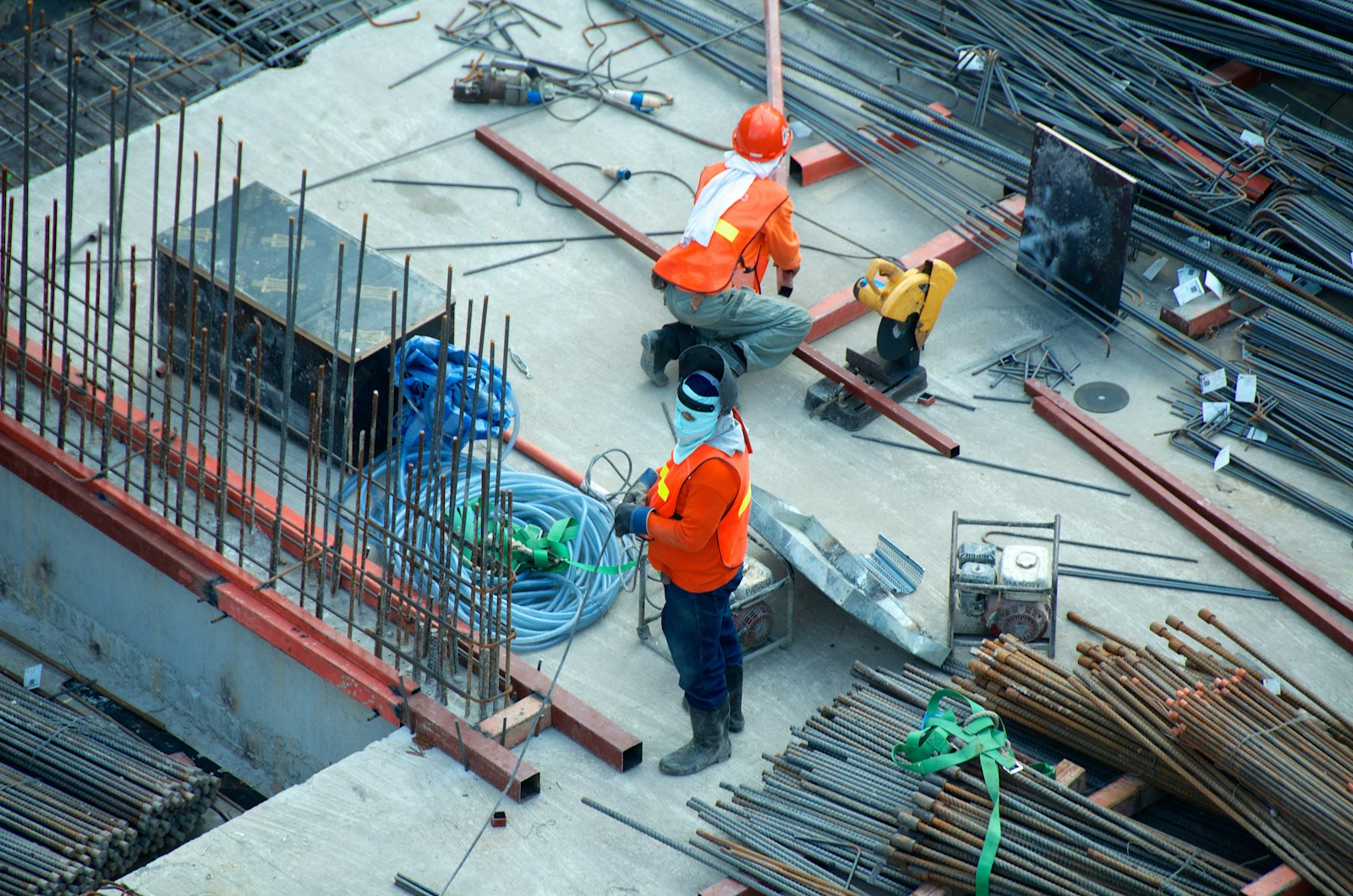
Hyderabad’s skyline gets the headlines, but some of the most useful changes in construction are happening quietly in district towns and villages across Telangana. These are the trends we think matter most for homeowners, businesses and local bodies planning work in the next few years.
Ready-mix concrete reaches smaller towns
Ready-mix concrete (RMC) used to be a city product. Today transit mixers and concrete pumps are a familiar sight in district towns. For roof slabs and larger pours, RMC delivers a consistent, designed mix of M20, M25 or higher, with a delivery ticket you can check, instead of a volumetric mix that depends on how carefully each pan was filled.
It does not remove the need for supervision. Someone still has to check the slump on arrival, cast test cubes, compact the concrete and cure it for the full period. But it removes one of the biggest sources of variation on small sites.
Lighter, greener walls
Telangana’s thermal power stations produce large quantities of fly ash, much of which now goes into fly ash bricks and autoclaved aerated concrete (AAC) blocks. AAC blocks weigh roughly a third as much as clay bricks for the same volume, reducing the load on beams and foundations, and they insulate better through hot summers. Fly ash bricks are uniform in size, so joints are thinner and plaster consumption drops.
Neither is automatically better than a good red brick. AAC needs the right jointing mortar and careful detailing around fixtures. But the options are now genuinely competitive.
Higher-ductility steel as standard
Fe500D TMT bars, where the “D” marks the higher-ductility grade under IS 1786, are increasingly the default for columns and beams. Ductile steel stretches before it breaks, giving a structure more warning and more resilience under unusual loads, and the price difference over Fe500 is small against the total cost of a building.
Surveys from the sky
For earthwork, roads and irrigation work, drone surveys and GPS-based instruments are replacing days of manual levelling. A single flight can produce a contour map of a tank bed or a road alignment in hours, making excavation and filling quantities far more accurate. That matters to anyone paying for earthwork by the cubic metre.
The best new technology on most sites is not a gadget. It is better measurement, and fewer decisions made by guesswork.
Water, treated as an asset
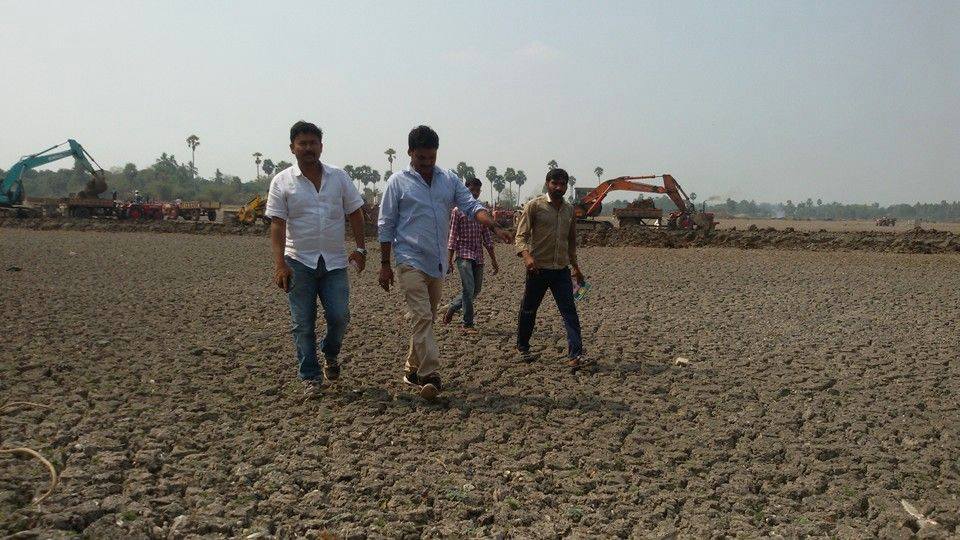
Mission Kakatiya, the state’s programme to restore its minor irrigation tanks, changed how many villages think about water. Our crews worked on tank desilting and bund work around Kodad in 2019, and the lesson carries over to private projects: water that is captured and stored is cheaper than water pumped from ever-deeper borewells.
For buildings, that means rainwater harvesting pits that genuinely recharge the ground, properly sized sumps and roof drainage planned at the design stage. For layouts and roads, it means side drains and culverts sized for monsoon peaks, not just dry-season traffic.
Cooler roofs and solar-ready buildings
Telangana’s Cool Roof Policy promotes reflective roof finishes that keep top-floor rooms noticeably cooler and cut air-conditioning bills. Meanwhile, central rooftop solar subsidies have made panels a realistic option for independent houses. Plan both during construction: a heat-reflective terrace finish, conduits for solar cabling, and mounting points that do not require drilling through the waterproofing later.
Roads built for drainage first
Village and town roads are moving from gravel to cement concrete (CC) roads with proper side drains, and bituminous roads increasingly use shredded waste plastic in the mix, as permitted under Indian Roads Congress guidelines. The common thread is drainage. Most road failures begin with water standing on or beside the pavement.
Digital project tracking
Even small projects now run on shared schedules, photo updates and digital BOQs. For families who live in Hyderabad or abroad while their house rises in their hometown, a weekly photo report and an updated cost sheet on WhatsApp has become an expectation rather than a bonus.
What this means for your project
You do not need every new material or tool. You need the ones that make your building stronger, cooler, cheaper to run or easier to supervise. Ask your builder which of these they use, and why. A clear, specific answer is a good sign.